The use of animation within the sphere of web design has gradually evolved from being a mere decorative tool to a more functional element. These days, intelligent animation techniques are in high demand, since they play a crucial role in transforming simple static interfaces into powerful and dynamic websites.
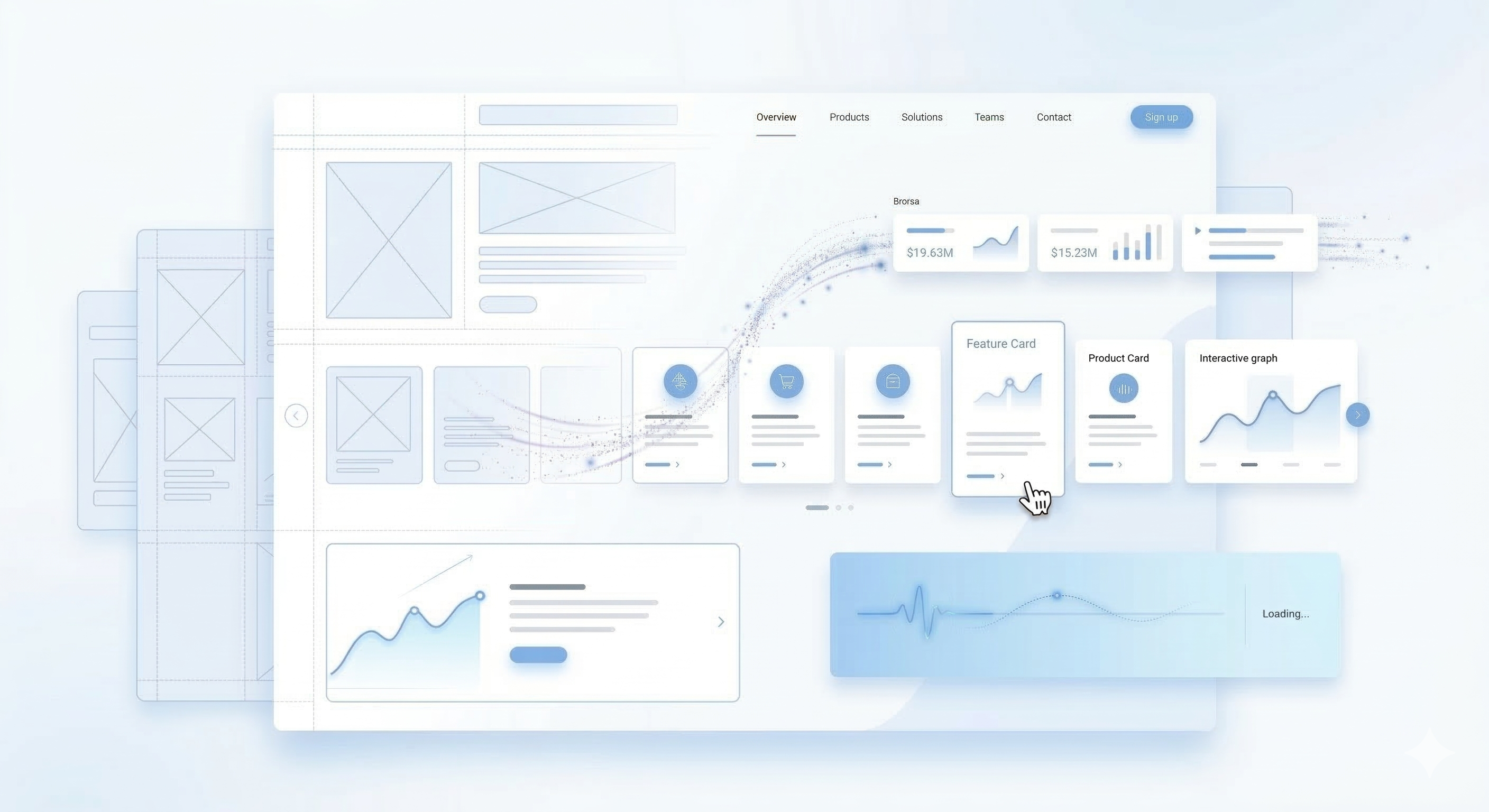
Effective and intelligent animation can enhance the function of storytelling. When used imaginatively and considerately, it improves usability and allows users to emotionally connect with the content and design of the website. This can eventually help the brand develop long-standing relationships with its customers.
Intuitive and creative interfaces can direct users to move appropriately through all kinds of complex websites. For illustration, a subtle animation can highlight and approve the action when a user clicks a certain button, thus making the browsing experience feel responsive and instinctive. In the same way, smooth navigational transitions are able to condense cognitive effort and reduce mix-up. This creates seamless continuity between the pages. Such interactions allow people to instinctively understand what happened and what they need to do next, and make the website more human-like.
Modern intelligent design is purposeful. It allows for improving perception, clarity, and the interaction people have with a website. This is why one of the best things about animation is that it plays such a crucial role in visual communication.
With intelligent animation, it is probable to create responsive websites that facilitate better end-user engagement. Additionally, it simplifies the involvement that people have when visiting a website and selects activities relevant to their needs, thus empowering them to clearly navigate the site.
Micro-interactions are some of the most commonly used types of animations on websites. They are subtle and small movements like toggles, hover effects, and validation messages. Even though they seem small, they do play a central role in enhancing precision and user experience by offering immediate feedback.
Websites can inform users that the system is still working. It shows it by showing a progress bar, a spinner, or a skeleton screen. Such a visual communication reduces mental frustration and reassures users to stay betrothed. Using loading and progress animations is yet another means of enhancing the user experience. Another type of animation that helps to maintain seamless visual flow and curtail cognitive load so that navigation feels more natural includes motion effects and transitions.
When users scroll, the content moves, fades in, or reveals itself, thereby prompting further exploration from users and holding their attention. Background and hero animations, like looping visuals and motion graphics, can set up powerful first impressions and assert brand identity. There are also many advanced websites that work with interactive and 3D animations that work with more advanced technologies. Many of these are observed in immersive brand experiences, gaming platforms, and product showcases.
Animations allow people to interact with different elements in digital spaces. It makes the connection become more immersive, palpable, and unforgettable for all. Similarly, scroll-based animations help boost engagement and in improving storytelling rhythm.